
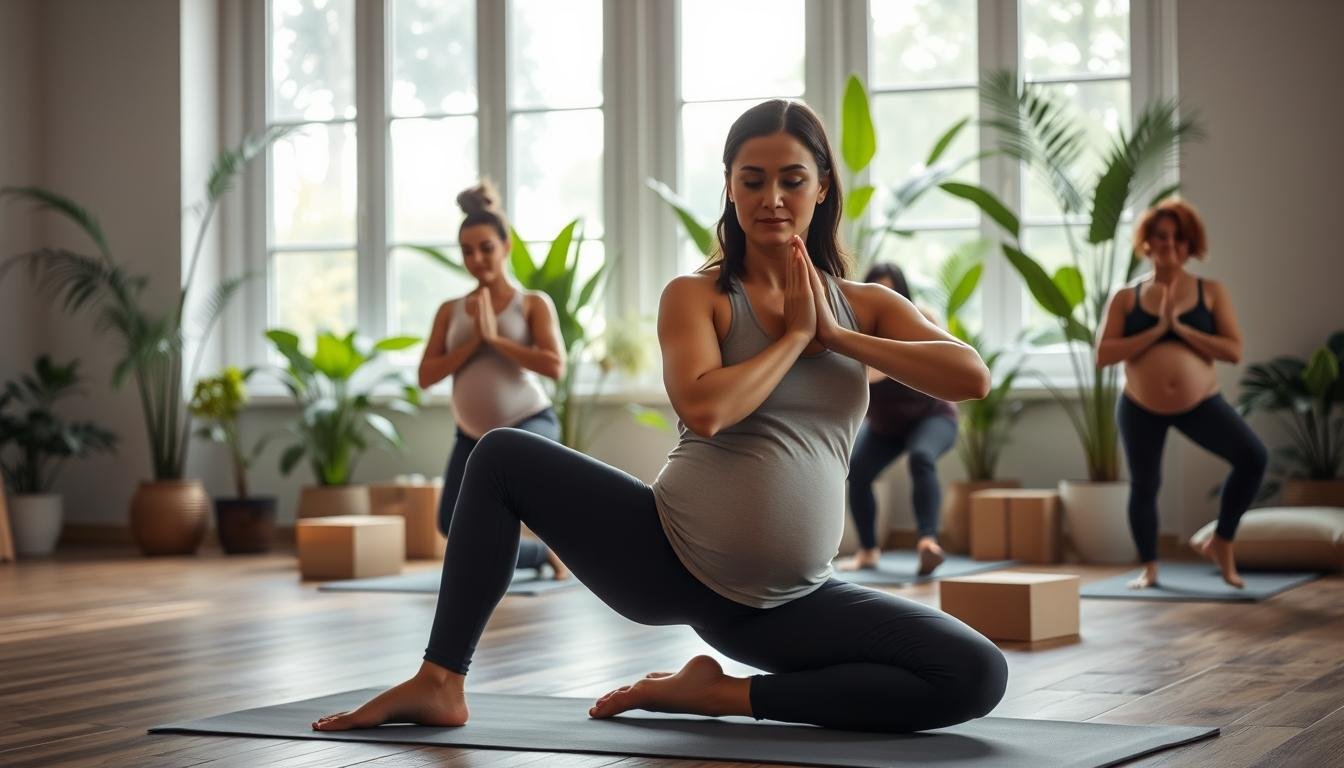
As a new mother in Hong Kong, you may find yourself navigating the challenges of postpartum recovery. The joy of bringing a new life into the world often comes with unexpected physical changes. Many women experience discomfort and issues related to their pelvic floor after childbirth. This is where a structured Postnatal Recovery Exercise regimen becomes essential. By engaging in a specialized postpartum fitness routine, particularly one focused on Postnatal Recovery Exercise, you can support your body’s recovery and mitigate long-term risks.
Research, including findings from the Pelvic Floor Workout (PEFLOW) trial, highlights the importance of a well-designed post-pregnancy workout plan. Such a program not only aids in physical recovery but also empowers you to regain strength and confidence. Integrating a new mom exercise program into your daily life, especially those emphasizing Postnatal Recovery Exercise, can promote core strengthening and overall well-being. Understanding the significance of these exercises can make a profound difference in your postpartum journey, reinforcing the necessity of Postnatal Recovery Exercise for optimal recovery.
Key Takeaways
- A structured Postnatal Recovery Exercise regimen is crucial for pelvic floor health.
- Postpartum fitness routines can prevent long-term dysfunction.
- Engaging in a post-pregnancy workout plan promotes core strength.
- New mom exercise programs help regain confidence after childbirth.
- Clinical evidence supports the effectiveness of tailored recovery exercises.
- Understanding your body’s needs post-delivery is essential for recovery.
What is Postnatal Recovery Exercise and Why is it Important for Mothers in Hong Kong?
Postnatal recovery exercise is a vital component for mothers after childbirth. It focuses on rebuilding strength and function in the body, particularly the pelvic floor and core. This type of exercise helps in recovery from the physical changes that occur during pregnancy and childbirth. Understanding its importance can significantly enhance your well-being as a new mother in Hong Kong.
Understanding the Basics of Postnatal Recovery Exercise
Postnatal pelvic floor exercises are designed to strengthen the muscles that support the bladder, uterus, and rectum. These exercises can be integrated into a broader postpartum core strengthening routine. Engaging in safe exercises after childbirth is essential for regaining control over your body and improving overall health.
Benefits of Postnatal Recovery Exercise for New Mothers
Engaging in postnatal recovery exercise offers numerous benefits, including:
- Improved pelvic floor strength
- Reduced urinary incontinence
- Enhanced sexual function
- Better mental health support
Common Challenges in Postnatal Recovery Exercise
Starting a new exercise program can present challenges such as:
- Lack of motivation
- Time constraints due to childcare
- Uncertainty about proper techniques
Key Principles of Effective Postnatal Recovery Exercise
To ensure effective postnatal recovery exercise, consider these key principles:
- Gradual progression in intensity
- Seeking professional guidance when needed
- Consistency in practice
By understanding these elements, you can create a safe and effective exercise plan that supports your recovery journey.
How Can Postnatal Recovery Exercise Mitigate Pelvic Floor Dysfunction?
Pelvic floor dysfunction is a common issue for many mothers after childbirth. Engaging in a structured postnatal recovery exercise regimen can significantly improve pelvic floor health. Clinical studies have shown that specific exercises can enhance muscle strength and reduce symptoms like urinary incontinence and pelvic organ prolapse. Understanding this connection is vital for your post-delivery body recovery.
The Connection Between Postnatal Recovery Exercise and Pelvic Floor Health
Postnatal recovery exercise focuses on strengthening the pelvic floor muscles. These exercises help support your pelvic organs and improve overall stability. Incorporating postpartum strength training into your routine can lead to long-term benefits.
Signs of Pelvic Floor Dysfunction You Should Be Aware Of
Recognizing the signs of pelvic floor dysfunction is crucial for timely intervention. Common symptoms include:
- Urinary leakage
- Pelvic pain
- Prolapse
If you experience any of these symptoms, consider integrating targeted exercises into your routine.
Integrating Postnatal Recovery Exercise into Your Daily Routine
Finding time for postnatal recovery exercise can be challenging. Here are some tips to help you incorporate it into your daily life:
- Set aside a specific time each day for exercise.
- Start with short sessions and gradually increase the duration.
- Combine exercises with activities like walking with your baby.
Expert Recommendations on Postnatal Recovery Exercise for Pelvic Floor Support
Experts recommend focusing on supervised training to ensure safety and effectiveness. Gradually increase the intensity of your workouts. Combining core and pelvic floor exercises can enhance your post-delivery body recovery. Consult a professional for personalized guidance tailored to your needs.
In What Ways Does Postnatal Recovery Exercise Address Joint Instability in New Mothers?
Joint instability is a common issue many new mothers face after childbirth. This condition often arises due to hormonal changes and biomechanical shifts that occur during pregnancy and delivery. Understanding these changes is essential for addressing joint health effectively.
Understanding Joint Instability Post-Childbirth
After giving birth, your body undergoes significant changes. Hormones like relaxin cause ligaments to loosen, leading to joint instability. This can result in discomfort and increase the risk of injury. Recognizing these physiological shifts is the first step toward recovery.
How Postnatal Recovery Exercise Strengthens Joint Stability
A structured postnatal recovery exercise program can help restore joint stability. Focusing on strength, balance, and core stability in your postpartum fitness routine can significantly improve your joint integrity. These exercises not only support your joints but also enhance your overall posture, making daily activities easier and safer.
Tailoring Your Postnatal Recovery Exercise for Joint Support
Customizing your postnatal recovery exercise program is crucial. Every woman’s body is different, and your exercise routine should reflect your unique recovery stage. Consider consulting a professional for guidance on safe and effective exercises tailored to your needs.
Resources for Effective Postnatal Recovery Exercise in Hong Kong
In Hong Kong, various resources are available to support your mommy fitness recovery journey. Local physiotherapy services can provide expert advice, while community groups offer encouragement and motivation. Engaging with these resources can help you maintain a consistent postnatal recovery exercise regimen.