

Have you ever wondered why your morning coffee tastes different when it comes from a specialty roaster compared to a standard grocery store brand? The secret might be hiding in the Wintech packaging of coffee beans.
Coffee packaging has transformed dramatically in recent years. The packaging of coffee beans is no longer just about containment—it’s a sophisticated science focused on preserving flavor, aroma, and quality. Modern coffee bean storage techniques have revolutionized how roasters protect their precious beans from moisture, oxygen, and light.
Innovative airtight coffee containers now offer solutions that extend shelf life and maintain peak freshness. Companies like Wintech are pioneering packaging technologies that protect the delicate characteristics of coffee beans during transportation and storage.
As a coffee enthusiast, understanding the nuances of Packaging of Coffee Beans can dramatically enhance your brewing experience and appreciation of this beloved beverage.
Key Takeaways of Packaging of Coffee Beans
- Packaging of coffee beans is crucial for preserving flavor and quality
- Advanced storage techniques protect beans from environmental degradation
- Airtight containers play a critical role in maintaining coffee freshness
- Technological innovations are transforming coffee bean packaging
- Consumer awareness about packaging can improve coffee drinking experience
Understanding the Importance of Packaging of Coffee Beans
Coffee packaging is a critical element that directly impacts the quality and enjoyment of your favorite brew. Vacuum sealed coffee has revolutionized how roasters protect and preserve the delicate flavors of coffee beans from the moment they are packaged to the time they reach your cup.
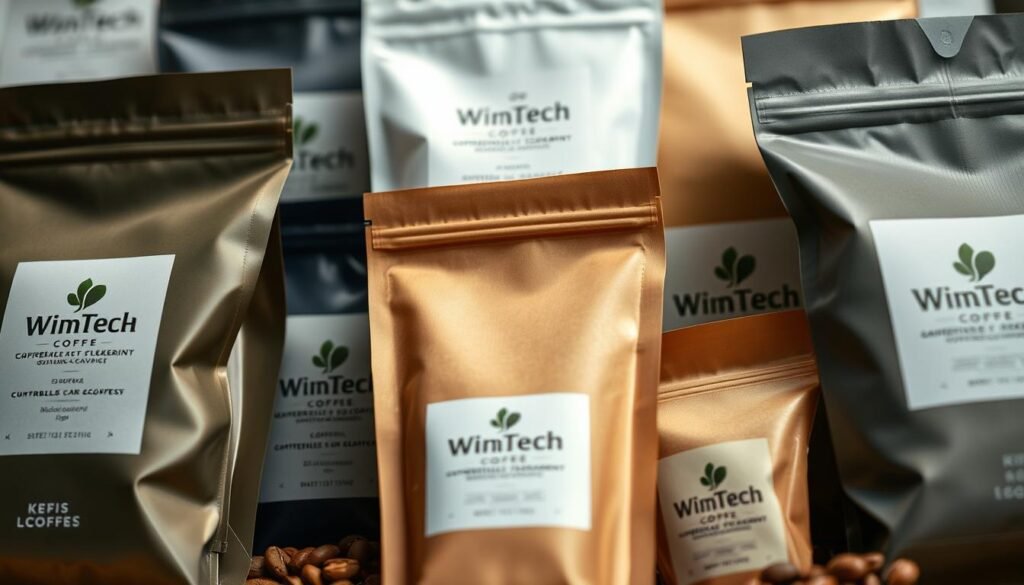
The science of freshness preservation goes far beyond simple storage. Modern coffee packaging employs sophisticated techniques to maintain optimal bean quality. Specialized multi-layer composite materials play a crucial role in protecting coffee from external elements that can compromise its taste and aroma.
The Role of Packaging in Preserving Freshness
Coffee beans undergo a unique degassing process after roasting. A critical component in this preservation strategy is the degassing valve, which allows carbon dioxide to escape while preventing oxygen from entering the package. This innovative design ensures that your coffee remains fresh and flavorful.
- Prevents oxidation of coffee beans
- Maintains original flavor profile
- Extends shelf life of packaged coffee
How Branding Influences Packaging Choices
Packaging is more than just protection—it’s a powerful marketing tool. Coffee brands carefully design their packaging to communicate quality, origin, and unique characteristics. The visual appeal of a coffee package can significantly influence consumer purchasing decisions.
| Packaging Feature | Consumer Perception |
|---|---|
| Resealable Pouches | Convenience and Freshness |
| Transparent Windows | Transparency and Quality |
| Eco-Friendly Materials | Environmental Responsibility |
Environmental Considerations in Packaging
Modern coffee consumers are increasingly eco-conscious. Brands are responding by developing sustainable packaging solutions that reduce environmental impact without compromising the quality of vacuum sealed coffee. Recyclable materials and reduced plastic usage are becoming standard in the industry.
Understanding these packaging nuances helps you make informed choices about the coffee you purchase and enjoy.
Popular Formats in the Packaging of Coffee Beans
Choosing the right packaging for coffee beans is crucial to maintaining freshness and appealing to modern consumers. The coffee packaging landscape has evolved dramatically, with innovative designs transforming how roasters present and protect their products.
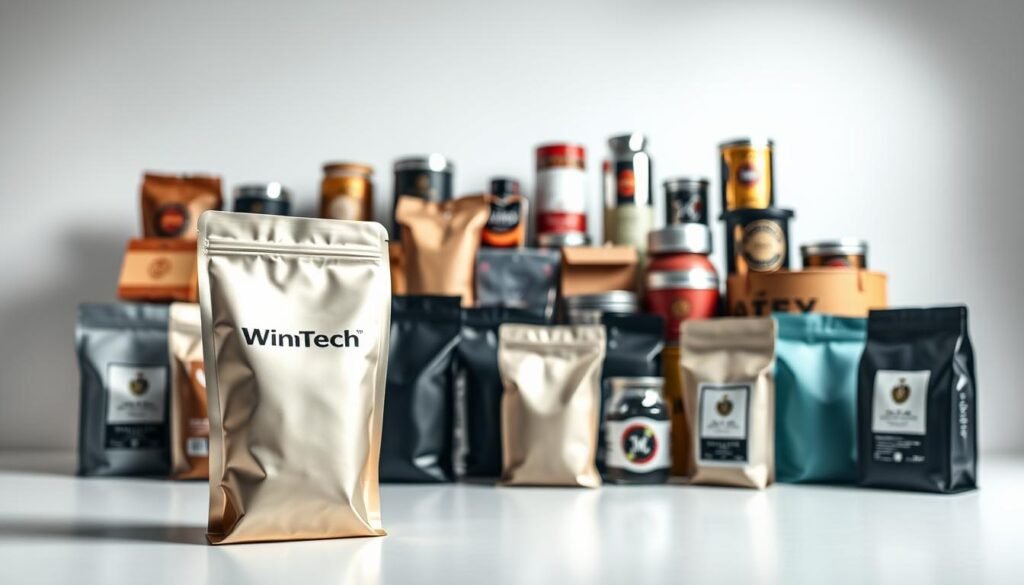
When exploring sustainable coffee packaging, you’ll encounter several popular formats that cater to different consumer needs:
- Flat bottom bags: Ideal for retail display
- Quad seal pouches: Enhanced structural integrity
- Doypacks: Convenient stand-up design
- Pillow bags: Cost-effective traditional option
Pouches Versus Bags: A Comprehensive Comparison
The choice between pouches and traditional bags depends on several key factors. Pouches often provide better barrier protection for coffee bag materials, helping preserve the beans’ original flavor profile. They typically offer superior resealability and visual appeal compared to standard bags.
Innovation in Packaging Design
Modern coffee packaging now integrates roast date labeling as a critical feature. Consumers increasingly want transparent information about their coffee’s freshness. Transparent windows, one-way valve technologies, and minimalist design elements are driving packaging innovation.
The Rise of Eco-Friendly Options
Sustainable coffee packaging has become a significant trend. Roasters are now using:
- Compostable materials
- Recyclable kraft paper
- Bio-based plastic alternatives
- Renewable resource packaging
These eco-conscious choices not only reduce environmental impact but also appeal to environmentally aware consumers seeking responsible coffee solutions.
Technological Advances in Packaging of Coffee Beans
The world of specialty coffee packaging has undergone a remarkable transformation, driven by cutting-edge technologies that preserve coffee’s delicate flavors and extend its shelf life. Innovations in the packaging of coffee beans are revolutionizing how consumers experience their favorite brew.
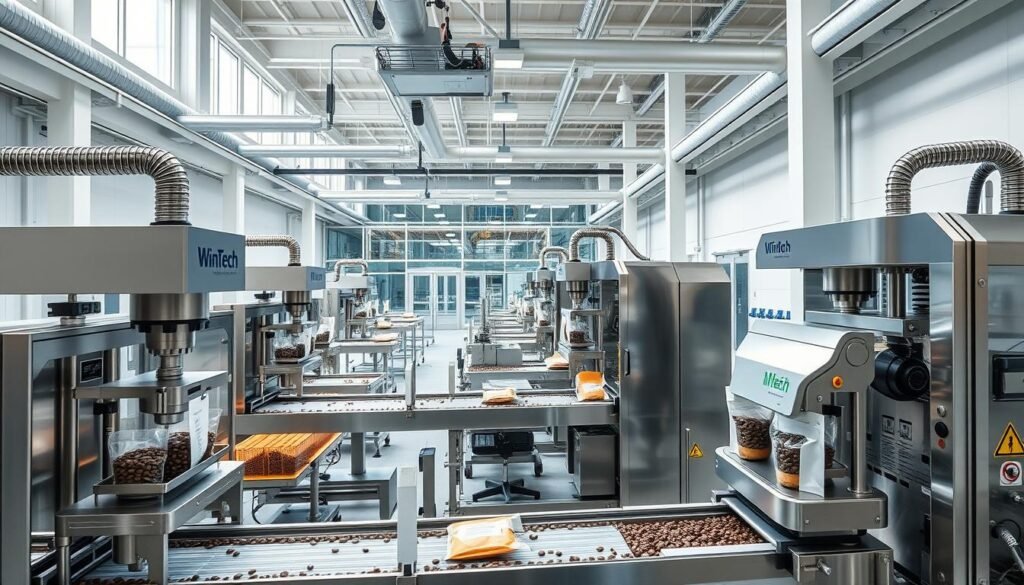
Modern coffee packaging now goes far beyond simple storage solutions. Manufacturers have developed sophisticated techniques to maintain the integrity of coffee beans from roasting to brewing.
Vacuum Sealing: The Ultimate Freshness Guardian
Vacuum sealed coffee represents a breakthrough in preserving coffee’s complex flavor profile. This technology removes oxygen, which is the primary culprit in coffee degradation. By creating an airtight environment, vacuum sealing ensures that:
- Aromatic compounds remain intact
- Oxidation is dramatically reduced
- Flavor intensity is maintained for longer periods
Smart Packaging: The Future of Coffee Preservation
Emerging smart packaging technologies are transforming specialty coffee packaging with innovative tracking mechanisms. These advanced solutions offer real-time monitoring of:
- Humidity levels
- Temperature changes
- Oxygen exposure
Cutting-edge sensors embedded in packaging can now provide instant feedback about coffee bean freshness, giving consumers unprecedented insight into their product’s quality.
The future of coffee packaging is about preserving not just the bean, but the entire sensory experience.
As technology continues to evolve, coffee enthusiasts can look forward to even more sophisticated packaging solutions that guarantee optimal freshness and flavor preservation.
Best Practices for the Packaging of Coffee Beans
When it comes to the packaging of coffee beans, selecting the right materials and design can make a significant difference in preserving flavor and quality. Your coffee packaging strategy should prioritize protection from oxygen, moisture, and light – the three primary enemies of fresh coffee. Airtight coffee containers have become essential in maintaining the delicate aromatics and taste profiles that coffee enthusiasts demand.
Smart brands are revolutionizing coffee bean storage through innovative packaging solutions. You’ll want to consider materials that provide excellent barrier properties while remaining environmentally responsible. Multi-layer packaging with specialized valves allows carbon dioxide to escape without letting oxygen enter, which helps maintain the coffee’s optimal freshness from roasting to brewing.
Effective labeling goes beyond regulatory compliance – it’s a critical marketing tool in the competitive US coffee market. Your packaging should communicate key information such as roast date, origin, flavor notes, and brewing recommendations. Design elements that catch the eye and tell a compelling story about the coffee’s journey can significantly influence consumer purchasing decisions.
Looking ahead, the future of coffee packaging involves advanced technologies like moisture-sensing materials and QR codes that provide transparent sourcing information. Sustainable options using recyclable or compostable materials are becoming increasingly important to environmentally conscious consumers. By staying ahead of these trends, you can ensure your coffee packaging remains innovative and appealing.